One wind-powered idea, applied wherever damp starts.
From homes and heritage properties to commercial buildings, new builds and renovations, Active Vent is designed to keep air moving through the places moisture collects whenever there's wind, with no motor and no electricity.
Four settings, one principle
Wherever there is a cavity wall or a room that needs background ventilation, the same wind-powered airflow helps keep moisture moving instead of building up.
Residential buildings
Houses, apartments and period properties suffering from (or wanting to prevent) damp and condensation.
- › Houses & terraced properties: suited to cavity walls, particularly where walls are exposed to driving rain.
- › Apartments & flats: helps keep moist air moving in multi-unit buildings to reduce condensation and mould risk.
- › Period & heritage properties: designed to work with older buildings by helping to manage moisture in the fabric.
Commercial buildings
Offices, retail, hospitality and industrial spaces where moisture control protects people, stock and the building fabric.
- › Office buildings: designed to help reduce the damp and condensation that can lead to mould.
- › Retail & hospitality: helps protect stock, décor and the customer experience from damp-related problems.
- › Industrial & warehouse: helps maintain the building fabric in large spaces; the removable insert makes periodic checks quick.
New construction
Designed in from day one, so moisture control is built into the wall rather than retrofitted later.
- › Preventative installation: fitting during construction avoids the disruption of retrofitting a finished wall.
- › Building Regulations: designed to support Part C (moisture) and Part F (ventilation) for cavity and background ventilation.
- › Future-proofing: designed to help protect the build against moisture problems that can emerge years later.
Renovation projects
Address the moisture behind existing damp during refurbishment, rather than only covering it up. Damp has several causes, such as leaks and plumbing faults, and some of them ventilation can't fix.
- › Tackling existing problems: designed to help reduce ongoing damp from trapped moisture, rather than only treating the surface.
- › Works with other upgrades: fits alongside insulation, rendering and other improvements as part of a wider moisture strategy.
- › Buyer & surveyor confidence: helps address a common concern for buyers and surveyors by keeping walls ventilated.
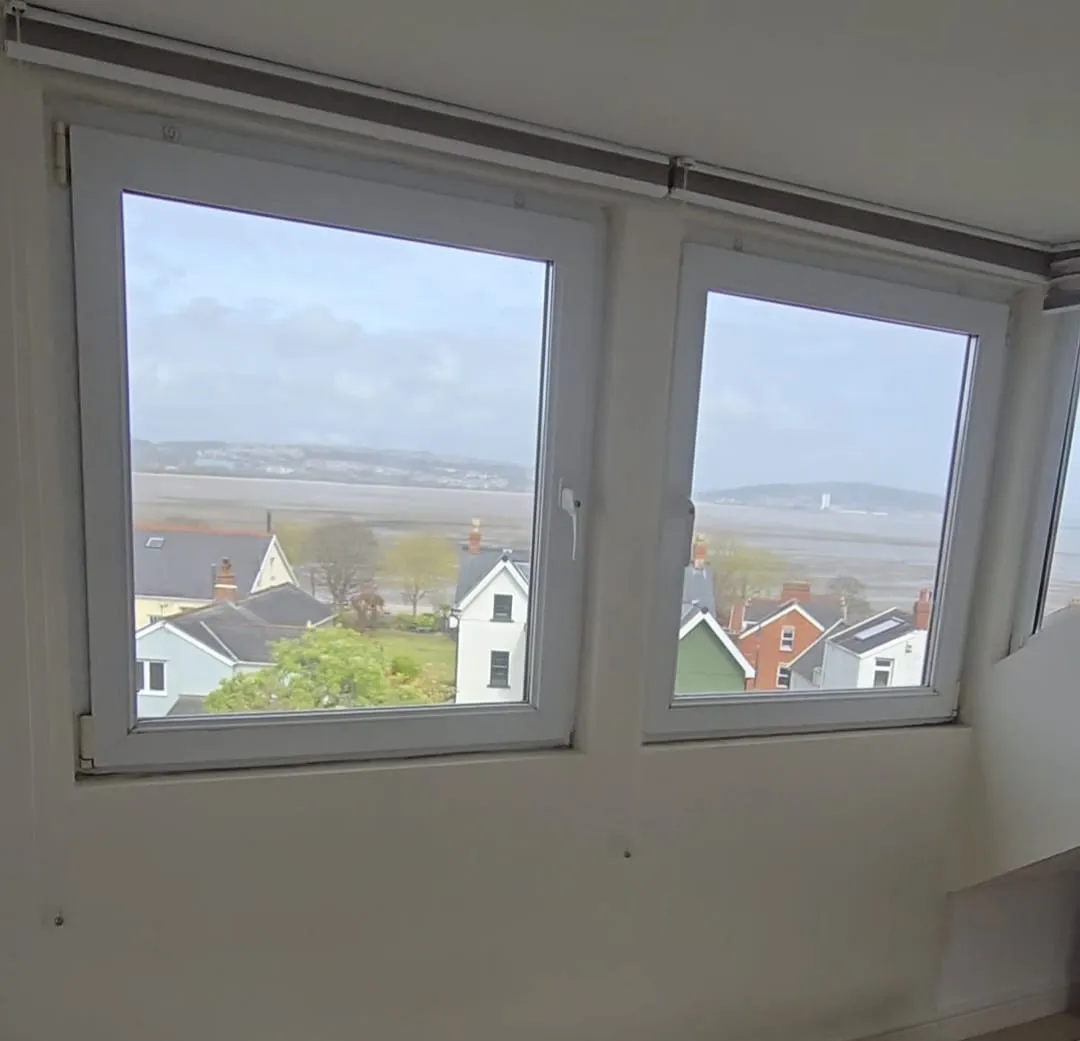
Keeping air moving in the rooms most prone to condensation
Converted lofts and dormer bedrooms trap warm, moist air against cool external surfaces, which is exactly where condensation and black mould tend to appear. Fitting Active Trickle Vents at the window (at least two per window) is designed to provide background ventilation, helping that moist air escape before it settles on the glass and reveals.
The Active Trickle Vent is designed to support Approved Document F (Part F) background ventilation, as part of a whole-home approach to keeping indoor humidity in check.
Planning a commercial or construction project?
Whether you are managing a portfolio of commercial buildings or specifying ventilation for a new development, we can help you get the right vent in the right place.
Commercial buildings
Moisture control in offices, retail, hospitality and industrial spaces protects people, stock and the building fabric. Talk to us about the right approach for your property or portfolio.
New construction
Designing ventilation in from the start helps a build support Part C and Part F without later retrofitting. Request specifications for cavity and background ventilation on your project.
Where to install for effective ventilation
Placement of weep vents follows established industry guidance. Where a figure is given below, it reflects NHBC guidance rather than an Active Vent performance claim.
External cavity walls
Fit on external walls of cavity construction, where cavity ventilation and drainage matter most.
Above openings
NHBC guidance calls for at least two weep vents above each opening, above cavity trays and DPCs.
Spacing
NHBC guidance sets weep holes over lintels at a maximum of 450mm apart, with at least two per opening; along the DPC tray, Approved Document C (para 5.5(c)) sets weep holes every 900mm.
Part C & Part F
Designed to support the Building Regulations' moisture (Part C) and ventilation (Part F) requirements.
Known problem areas
Consider additional provision where damp is already a known issue or where exposure is high.
Wind exposure
Consider prevailing wind direction so the wind-powered airflow works with the building's exposure.
Spacing: one vent every 900mm along the DPC (Approved Document C, para 5.5(c)) and, over openings, a maximum of 450mm apart with at least two per opening (NHBC guidance). Optionally, a second, higher row at about 2.1m, also at 900mm centres (roughly one vent per 2m² of wall), can help clear humidity that lingers higher up. We're testing this layout now, so this guidance may change. See the evidence and sources →
Further reading
- Series guide The Complete Guide to Cavity Wall Ventilation
Why a cavity wall has to be able to breathe, where the moisture comes from, why damp walls quietly waste heat, and how to keep a cavity dry and drained: a plain-English hub for homeowners, builders and surveyors.
- Industry Standards NHBC Cavity Wall Ventilation Requirements: A Practical Guide
What NHBC guidance says about weep holes in cavity walls, why damp walls lose more heat, and how to keep weep vents clear. Written for homeowners, builders and developers.
- Awaab's Law Awaab's Law Record-Keeping: A Defensible Compliance Trail
How social landlords can build a clear Awaab's Law record trail: what to log at each stage, the 3-working-day written summary and keeping tenants updated.
Useful pages
- For homeowners →
Damp walls, streaming windows or mould: what is going on and what helps.
- For developers and builders →
Specifying an inspectable, wind-powered cavity vent on new-build projects.
- Awaab's Law hub →
The statutory damp and mould timescales, who they apply to and where ventilation fits.
- Damp solution finder →
A few quick questions, then a plan: the likely cause, what to fit, where and what it costs.
Find the right vent for your building
Buy the Active Vent range online, or talk to us about the right wind-powered vent for your project: home, commercial building, new build or renovation.
Fit or stock Active Vent?
Apply for trade pricing →