Lower Energy Bills. Healthier Home. No More Damp.
Your walls might be costing you hundreds every year. Active Vent uses the power of wind to keep walls dry and insulation working - so you stay warm and save money.
Meet the Active Trickle Vent
Streaming windows every morning are a sign that humid air has nowhere to go. A passive trickle vent — or an open window — only lets air in. The Active Trickle Vent uses the power of the wind to draw fresh air in and push stale, humid air out, so moisture leaves before it can condense on the cold glass — without throwing your heat out of an open window.
See the Active Trickle Vent →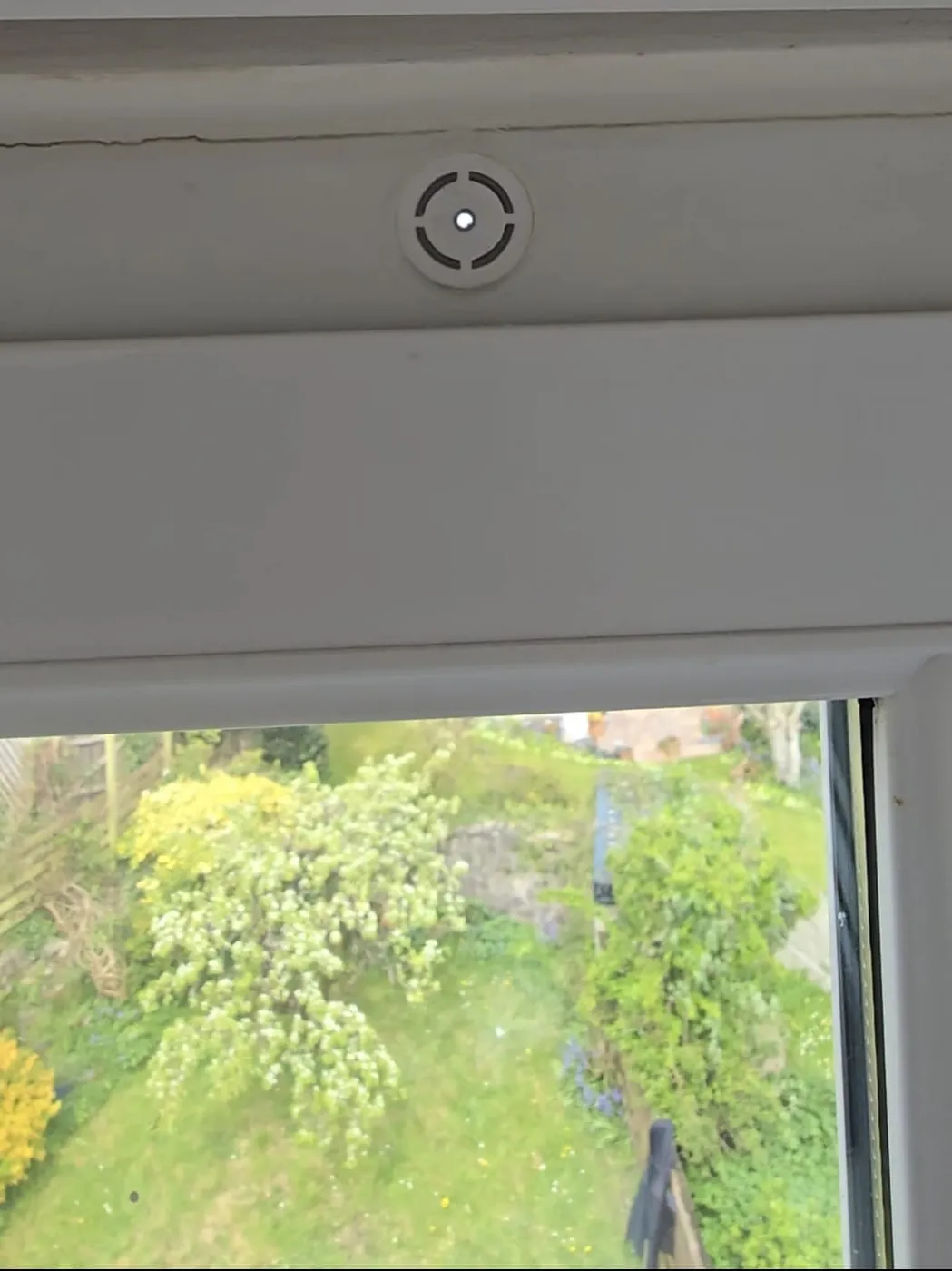
How Active Vent Keeps Your Walls Dry
Simple, effective, and powered by nature. Active Vent harnesses wind energy to actively remove moisture from your cavity walls - keeping insulation dry and your energy bills low
Why Are Your Energy Bills So High Even Though You Have Insulation?
You're not imagining it. Your heating bills shouldn't be this expensive - especially if your home has cavity wall insulation. The problem? Your insulation might be wet, and wet insulation doesn't work.
The Hidden Energy Killer:
Scientific research shows that damp insulation can let through nearly twice the heat of dry insulation — because water conducts heat around 25 times more readily than the still air insulation relies on. So wet insulation quietly drives your heating bills up.
Source: Hayrullin et al., Transportation Research Procedia, 2022; standard material thermal properties
How Does Moisture Get In?
- Rain seeping through brickwork
- Humidity from temperature differences
- Condensation (interstitial damp - moisture trapped between wall layers)
- Traditional vents that can't remove it
What Happens When Walls Stay Wet?
- Your heating costs skyrocket
- Rooms feel cold no matter how high you turn the heat
- Mold and musty smells appear
- Your home's value decreases
The Real Cost:
If heating and cooling accounts for nearly 50% of your yearly energy costs (according to the U.S. Department of Energy), and wet insulation is making your heating system work harder than it should... you could be paying more than you need to every year without realizing it.
That's money literally evaporating out of your walls. 💸
How Does Active Vent Lower Your Energy Bills?
Simple: we keep your insulation dry so it actually works. Active Vent uses the power of wind to pull moisture out of your walls - no electricity needed, just smart engineering.
The Active Difference
Wind-Powered
Uses natural wind to create suction - like a vacuum cleaner for your walls
Cross-Ventilation
Exchanges air across the cavity, replacing moisture-laden air with fresher air
Always Working
No electricity, no maintenance, works 24/7 even in severe weather
The Result?
Dry insulation = Lower bills = Warmer home
Traditional Passive Vents:
- Just sit there hoping air flows
- Can't remove moisture actively
- Stop working in bad weather
- Your walls stay damp
- Your bills stay high
Active Vent:
- Actively pulls moisture out
- Works in all weather conditions
- Continuously removes excess moisture
- Keeps your insulation dry
- Your insulation stays dry and works as it should
What Results Can You Expect?
Typical Benefits Homeowners See:
- Lower energy bills as insulation stays dry
- Warmer rooms in winter
- No more damp patches
- Mold and musty smells gone
- Healthier indoor air quality
- Protected property value
How Much Could You Save on Energy Bills?
Use our calculator to see your potential savings:
Your savings depend on your property, its current condition and how you use energy. The calculator estimates a realistic range for your home based on the figures you enter — plus the benefits of increased property value and improved comfort.
Is Active Vent Easy to Install in Existing Homes?
Yes! Whether you're building new or upgrading an existing property, Active Vent installs just as easily as traditional vents - but is designed to actively manage moisture rather than rely on passive airflow.
DIY Installation (Existing Homes):
- 1 Drill 65mm hole where your current vent is (or where one should be)
- 2 Insert Active Vent flush with the wall
- 3 Seal edges with mortar or exterior caulk
- 4 Done! Starts working immediately
Tip: Install one vent every 225mm along areas where you have cavity trays or where damp is visible for best results.
Or Hire a Professional:
Any builder, roofer, or handyman can install Active Vents in under an hour. It's a simple job that makes a huge difference.
Find Local Installers:
We can connect you with approved installers in your area who know our product inside and out.
Find Installers Near YouFull Installation Guide Included
Every order includes detailed instructions, and our team is always available to help if you have questions.
Stop Wasting Money on High Energy Bills
Keep your walls dry, your insulation working, and your home warmer and healthier with Active Vent.
Questions? Check our FAQ or contact us