Subtotal £0.00
Shipping £3.99
Total £0.00
Your cart is empty
Our Damp & Condensation Report is written by our founder, who has over 20 years' experience in the building and damp-prevention industry. You'll also get the WELCOME code by email.
First order only. Orders under £50: free delivery. Orders of £50 or more already ship free, so you'll get 10% off your next order instead. One per customer.
Trade accounts: trade pricing from 1,000 units, and we will quote on smaller trade orders
£90.00
£1.80 per vent
£1.80 per vent: 25% less per vent than packs of 10 (£2.40). Save £30.00 vs buying the same number in packs of 10.
Pre-order: we'll confirm your dispatch date with your secure payment link.
Total units: 50
Material: Polypropylene (PP)
Need 1,000+ vents, or buying for a merchant or housing portfolio? Contact us for trade pricing.
Join our mailing list for free delivery on your first order.
First order only. Orders under £50: free delivery. Orders of £50 or more already ship free, so you'll get 10% off your next order instead. One per customer.
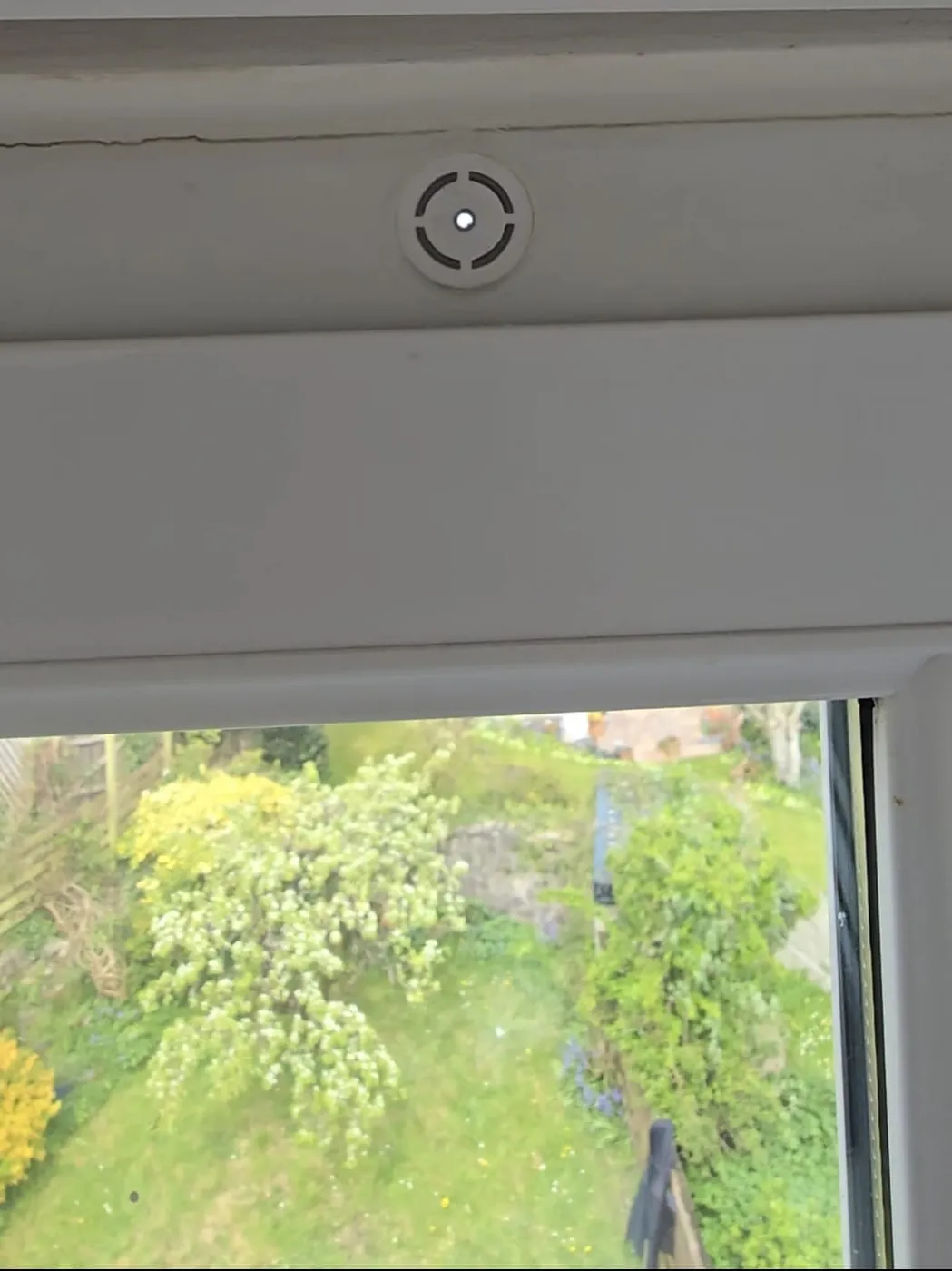 Complete the whole-house system Add Active Trickle Vents to your windows (2+ per window). Price on request →
Active Vent - Premium Quality
Bigger packs cost less per vent
£90.00
£1.80 per vent
£1.80 per vent: 25% less per vent than packs of 10 (£2.40). Save £30.00 vs buying the same number in packs of 10.
Pre-order: we'll confirm your dispatch date with your secure payment link.
Terraced home ~40 vents, semi ~50: the Whole House Pack covers both. Every home differs, so work out your exact number. Need 500+? Trade pricing
The Active Weep Vent is a new kind of weep vent: wind-powered and cross-ventilating, from a single unit (patent pending). Unlike one-way passive vents, its shape uses the wind blowing across the wall to draw air through the vent, helping damp air move out of the cavity rather than sitting in it.
At 0mph it works like a standard vent. Once the wind picks up, it ventilates actively, and it works harder as the wind speed rises. It needs no electricity to run.
Damp has several possible sources, such as leaks and plumbing faults, that a vent can't fix. If you have one of these, it needs repairing first.
When wind passes the specially designed shape of the vent, it creates a low-pressure zone at the outer face that draws air and moisture out of the cavity. In our own side-by-side tests, once the wind reached around 20mph the standard weep vents and weep holes stopped letting water out of the test cavity, while the Active Weep Vent kept draining it, and the stronger the wind, the more it drew out.
Comparing options? Read our weep vents compared guide, covering the main UK types, spacing rules and prices.
A terraced home typically needs about 40 Weep Vents, and a semi-detached home about 50. Use our weep vent calculator to work out the number for your walls, windows and doors.
An optional layout we're testing adds a second, higher row at about 2.1m, also at 900mm centres (roughly one vent per 2m² of wall). Low vents help clear the moisture that sits low; high vents help clear the humidity that lingers higher up.
We're testing this layout now, so this guidance may change.
Always wear safety equipment and check for cables and pipes before cutting into a wall. Take extreme care not to damage the DPC, cavity trays or lintels. Consider professional installation for complex retrofits.
Approved Document C (para 5.5(c)) sets weep holes every 900mm along the damp-proof tray at DPC level. Over windows and doors, NHBC guidance is a maximum of 450mm between weep holes, with at least 2 per opening. A terraced home typically needs about 40 vents and a semi-detached home about 50, which the Whole House Pack covers. For your own home, the weep vent calculator counts them from your wall length and openings. We're also testing an optional second, higher row at about 2.1m, so this guidance may change.
At 0mph it works like a standard vent. Once the wind picks up, it ventilates actively, and it works harder as the wind speed rises. The design is intended to resist rain getting in.
Active Weep Vents are designed to help keep the cavity, and any insulation in it, drier. Wet insulation doesn't insulate as well as dry insulation.
They need no power supply. Inspect them periodically; the removable insert makes it quick to check and clear.
They're designed to help reduce damp and condensation caused by moisture in the cavity. Damp also has other sources, such as leaks and plumbing faults, which a vent can't fix and which need repairing.
We deliver to UK mainland addresses as standard: £3.99, or free on orders from £50. Worldwide delivery is available on request at the customer's expense; contact us for a quote. Active Vent is on pre-order, and we'll confirm your dispatch date with your secure payment link.